
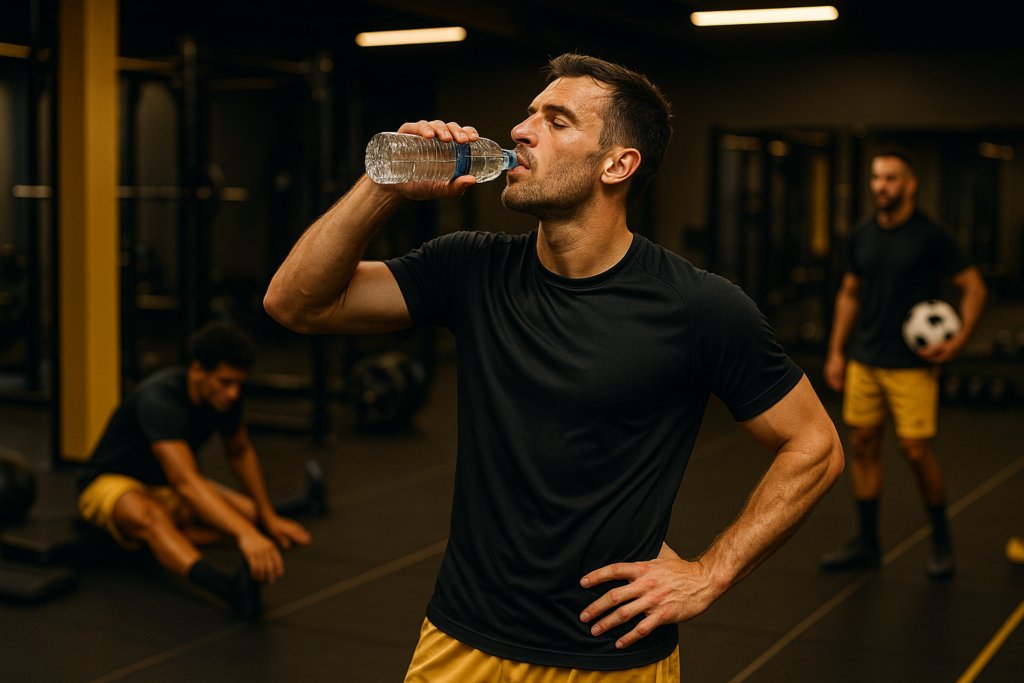
When it comes to football, every detail counts. Among these details, hydration stands as one of the most crucial yet often overlooked elements in an athlete’s performance and recovery strategy. Let’s dive into the pivotal role hydration plays in football and how it intertwines with recovery, injury prevention, and overall athletic development.
The Science Behind Hydration
Water is not just a thirst-quencher; it’s a fundamental player in maintaining your body’s balance. During a match, players can lose up to 2-3 liters of sweat, especially in hot conditions. This loss can lead to dehydration, which impacts everything from decision-making on the pitch to physical performance. Studies have shown that even a 2% drop in body weight due to fluid loss can impair athletic performance.
Hydration Strategies for Recovery
Proper hydration isn’t just about staying topped up during a match; it plays a vital role in recovery. Post-game, your body needs to replenish both fluids and electrolytes. Elite players often incorporate a rehydration strategy that includes:
- Electrolyte Drinks: These help restore the balance of sodium, potassium, and magnesium lost through sweat.
- Water Intake: Aim to drink at least 1.5 times the amount of fluid lost after heavy training or matches.
- Timing: Start rehydrating immediately after the game and continue for the next 24 hours.
Performance and Injury Prevention
Staying hydrated can significantly reduce the risk of injuries. Muscles that are well-hydrated operate more efficiently, while dehydration can lead to muscle cramps and strains. For instance, players like Kevin De Bruyne and Mohamed Salah don’t just rely on their skills; they ensure proper hydration before and during training sessions to maintain peak performance levels.
Hydration and Nutrition: A Winning Combo
Hydration goes hand in hand with nutrition. Consuming foods with high water content, like fruits and vegetables, can contribute to your hydration strategy. Think of it this way: a well-rounded diet fuels your body, while hydration keeps it running smoothly. Pairing a balanced diet with adequate fluid intake will support your strength, mobility, and endurance.
Sleep and Mobility: The Hidden Hydration Allies
Did you know that sleep plays a critical role in hydration? Quality sleep optimizes your body’s ability to recover and manage fluid levels. Furthermore, incorporating mobility exercises can enhance circulation, promoting better hydration distribution throughout your muscles. Footballers like Cristiano Ronaldo often emphasize the importance of sleep and recovery techniques, including hydration, to maintain their elite performance.
Match Preparation: The Hydration Checklist
As you gear up for match day, consider this hydration checklist:
- Pre-Match: Hydrate well the day before the game, ensuring you’re starting off on the right foot.
- During Match: Keep a hydration strategy in place, such as drinking small amounts of water or sports drinks at regular intervals.
- Post-Match: Replenish fluids with water and electrolytes within 30 minutes after the final whistle.
Long-Term Athletic Development
For young athletes, developing a solid hydration routine is essential for long-term success. Teaching the importance of hydration early can lead to better habits, ultimately improving performance and reducing injury risks as they progress through their careers.